

In recent days, several regions worldwide have faced significant developments marked by tensions, violence, and a search for stability and aid. Each situation reflects unique challenges but shares a common thread of communities striving for peace and relief amidst pressures.
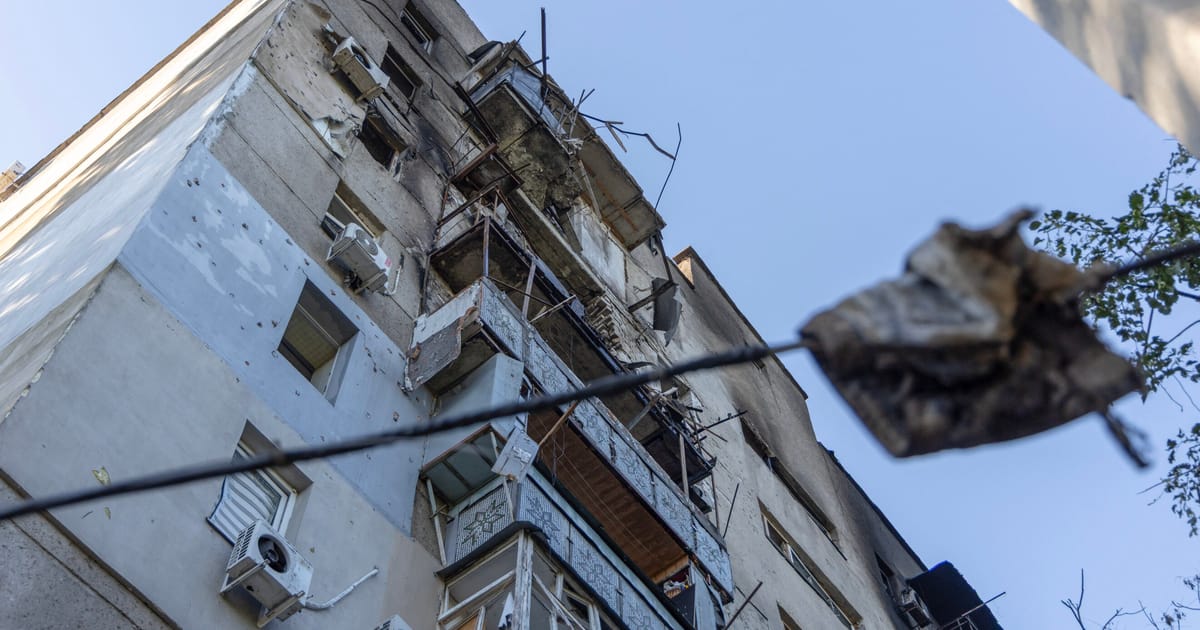
In Ukraine, a tense atmosphere prevails as both Russian and Ukrainian forces utilize drones in ongoing conflict. Russian forces recently intercepted 67 Ukrainian drones, including several near Moscow, while Ukraine responded by thwarting 18 Russian drone attacks targeting areas like Zaporíjia, Donetsk, and Kharkiv. Such exchanges reflect the persistent strain in the region, emphasizing the importance of diplomatic efforts to foster dialogue and diminish hostilities.
Meanwhile, on the Caribbean island of Trinidad and Tobago, the government declared a second state of emergency this year, reacting swiftly to intelligence reports suggesting organized crime syndicates aim to instigate chaos. This proactive response, led by Police Commissioner Allister Guevarro, underscores the nation’s commitment to safeguarding its citizens from the threats of kidnappings, robberies, and potential assassinations orchestrated by gangs both inside and outside its prisons.
In Brazil, former President Jair Bolsonaro remains under scrutiny as legal proceedings unfold concerning an alleged coup attempt following the 2022 election. Amid fears of possible evasion to avoid trial, measures have been imposed on Bolsonaro, including the wearing of an electronic ankle tag. This development underscores the judiciary’s dedication to upholding justice and accountability while providing a pivotal moment for Brazil’s democratic perseverance.
In France, the city of Limoges witnessed unrest with masked rioters clashing with police, leaving nine officers injured. Authorities suspect a gang turf war as the source of this violence, which highlights ongoing local struggles with law enforcement striving to ensure public safety and restore order.
Turning to the Middle East, the Palestinian Health Ministry reported tragic casualties in Gaza, where Israeli forces allegedly fired on crowds seeking crucial aid, killing at least 32 Palestinians and wounding many others. Humanitarian challenges persist in Gaza, as changes in aid distribution systems spark debate and concern over politicization and fairness in delivering essential supplies to affected communities.
In a related vein, Syria continues to navigate a complex landscape as civil unrest persists in the province of Sweida, despite a government-declared ceasefire. The conflict between Bedouin and Druze fighters has resulted in significant casualties, underscoring the Syrian government’s ongoing challenge in achieving lasting peace and stability within its borders.
Efforts to foster calm and constructive dialogue are essential as these regional developments unfold. The international community’s role remains critical in supporting humanitarian initiatives, promoting negotiations, and sustaining peace-building efforts across these diverse yet interconnected landscapes.
Source: {link}