

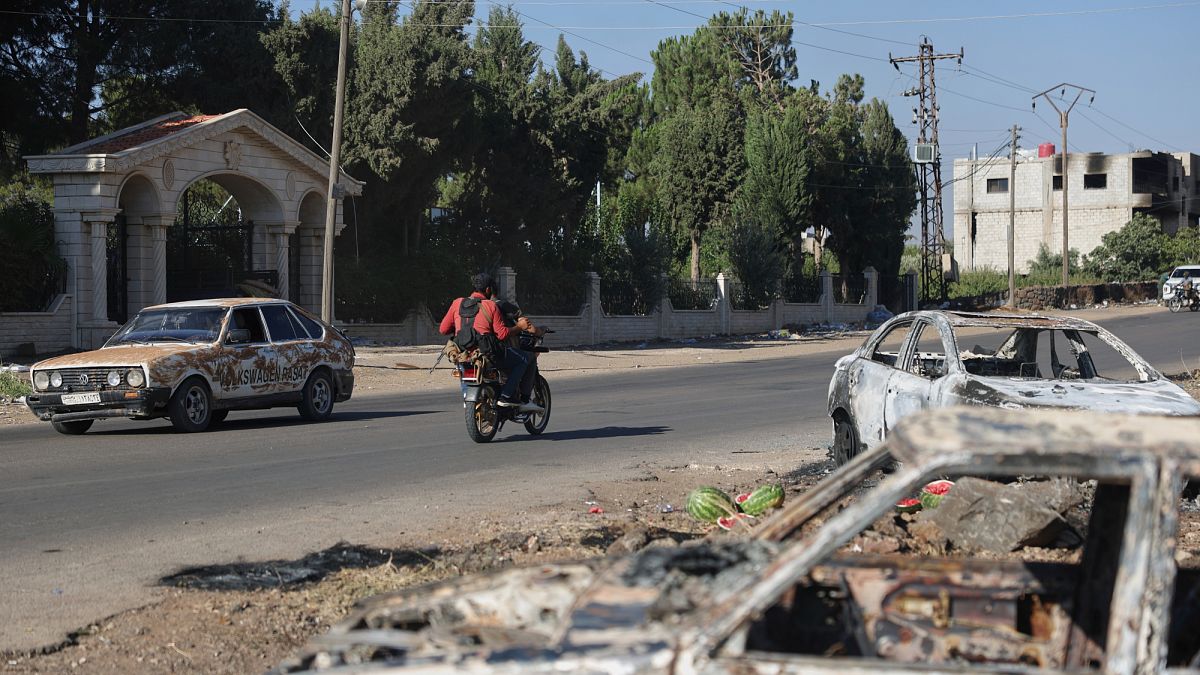
In recent days, several regions around the globe have experienced escalations in conflict, drawing international attention and concern. From continued clashes in Sweida, Syria, to heightened tensions in Israel and Gaza, as well as significant unrest in Ukraine, these developments underscore the complexities and challenges facing the international community. Despite the somber nature of these events, it is important to approach them with a measured understanding. Let’s explore the key facts from these unfolding situations.
The city of Sweida in Syria has seen renewed clashes between Bedouin tribes and Druze fighters, persisting despite attempts to establish a ceasefire. This most recent agreement, aimed at quelling hostilities, was announced on Saturday. However, reports indicate that tensions remain high, and clashes have continued to erupt. The situation highlights the intricate web of local political dynamics and long-standing grievances that often characterize conflicts in the region.
Meanwhile, in the Middle East, efforts aimed at achieving a ceasefire between Israel and Hamas have encountered significant hurdles. The most recent violence saw Israeli troops opening fire on Palestinians near food distribution sites in southern Gaza, resulting in tragic loss of life and numerous injuries. This incident underscores the challenges faced by negotiators, including issues surrounding Israel’s military presence and the political future of Hamas in the Gaza Strip. Despite ongoing efforts by international actors like the United States and Qatar to mediate peace, these events illustrate the fragile nature of the proposed ceasefire.
In another significant development, Ukraine has faced an intensification of military offensives from Russia. A massive drone attack was launched against cities such as Odesa, with figures indicating that more than 300 drones and 30 missiles were utilized. This assault resulted in the unfortunate death of at least one individual and has raised concerns about potential further escalations. Ukrainian President Volodymyr Zelenskyy has expressed grave concerns over this intensification, calling for continued vigilance and support from the international community.
Additionally, Limoges, a city in central France, experienced unrest as masked individuals attacked vehicles on a highway and clashed with police. The overnight violence, which left nine police officers injured, is believed to be a result of a gang turf war. While these events have caused local disruptions, authorities are actively addressing the situation, focusing on restoring order and ensuring public safety.
While these developments have understandably caused concern, it is crucial to approach each narrative with a balanced perspective. These events are part of broader socio-political landscapes that require thoughtful analysis and continued diplomatic efforts. The affected regions, as well as the global community, must work towards sustainable solutions that prioritize peace and stability.
Each of these situations underscores the importance of international cooperation and dialogue in resolving conflicts. By focusing on constructive engagement and understanding the underlying factors driving these tensions, there is hope that progress can be made over time. As we continue to follow these developments, it remains a priority to support efforts aimed at achieving lasting peace and mutual understanding across all regions affected by conflict.
Source: {link}