

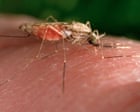
In recent months, Zimbabwe has witnessed a notable resurgence in malaria cases, a development that has prompted health officials and communities across the country to reassess and bolster their disease control efforts. This upswing in cases has been described by experts as a “return with a vengeance,” highlighting the pressing need for renewed focus and resources to manage the situation.
Previously, Zimbabwe had made commendable strides in reducing malaria cases significantly. This progress was largely supported by international aid, including substantial funding from the United States Agency for International Development (USAID). However, the recent cessation of U.S. aid has posed a significant challenge to these efforts. The halt in funding, attributed to policy changes under the administration of former President Donald Trump, has left a gap in resources that has been difficult to fill.
The impact of reduced funding is multifaceted, affecting everything from research initiatives to the availability of essential preventative tools such as mosquito nets. The shortage of these critical resources is starkly felt across the nation, leaving many communities vulnerable to malaria outbreaks. Reports indicate a worrying rise in the number of outbreaks, with 115 recorded in the current year compared to just one over the previous year. This alarming increase underscores the vital role that international aid has played in keeping malaria at bay in Zimbabwe.
In response to this rising health challenge, Zimbabwean health authorities, together with international organizations and local communities, are focusing on intensifying their preventive and treatment measures. Efforts are being made to strengthen community health systems, increase public awareness, and encourage the use of available mosquito nets. Moreover, integrated vector management strategies are being enhanced to curb further outbreaks.
Nonetheless, the path ahead is fraught with challenges. To successfully counter the resurgence of malaria, there is an acute need for alternative sources of funding and support. Zimbabwe’s commitment to combatting malaria remains steadfast, yet without sufficient resources, these ambitions risk stagnation.
The situation calls for international solidarity and renewed partnerships to restore the progress that has been made over the years. The government of Zimbabwe, alongside global health organizations, continues to advocate for robust support mechanisms to sustain their efforts in battling malaria. In these critical times, the determination to protect public health drives both local and global stakeholders to seek solutions that are sustainable and inclusive.
In closing, the resurgence of malaria in Zimbabwe serves as a poignant reminder of the interconnectedness of global health systems and the importance of collaborative efforts in disease control. As stakeholders rally to tackle this renewed threat, the spirit of cooperation and the drive for innovation are pivotal in navigating the challenges and building a healthier future for all.
Source: {link}