

In recent times, multiple nations across the globe have been navigating through a myriad of challenges and changes, from public health crises to encounters with nature and societal issues. In this article, we’ll explore these challenges with a mindful, calm lens, providing an insightful understanding into each unfolding situation.
Health Concerns in Sudan
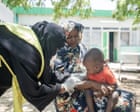
The Republic of Sudan is currently facing a significant public health challenge, as ongoing conflicts have severely impacted its healthcare system. According to the World Health Organization, routine vaccination rates have alarmingly dropped to the lowest globally. In 2022, over 90% of Sudanese children received their vaccinations. However, recent statistics reveal a sharp decline to just 48%. This decrease in vaccination coverage has heightened the vulnerability of children to life-threatening infectious diseases in a country already besieged by humanitarian crises. The global immunization efforts, albeit stalled, aim to address these pressing issues. The international community and health organizations continue their efforts to revitalize vaccination campaigns, ensuring the health and well-being of Sudan’s younger population.
Human Encounters with Nature in Japan
In Japan, the interaction between humans and nature has taken a more concerning turn recently. The picturesque region of Hokkaido has been experiencing a rash of bear attacks, marking an unusual spike in such encounters. The situation has been deemed serious enough to declare a ‘bear emergency’ in one northern town. Amongst the chaos, a hunter has gone missing near Mt. Esan, where signs of a nearby large brown bear, including bloodstains and a misplaced rifle, hint at a potential attack. The local authorities, understanding the delicate balance between preserving natural fauna and ensuring human safety, are conducting searches and are urging residents to exercise caution in bear-prone areas. This situation highlights the need for harmony between human activities and wildlife preservation, advocating for educational measures to prevent such incidents in the future.
Addressing Structural Gaps in Portugal’s Healthcare System
In Portugal, discussions have emerged regarding the systemic inefficiencies within the Serviço Nacional de Saúde (SNS), particularly regarding the treatment of expectant mothers. Reports have highlighted a growing concern over the humaneness of the health support provided, raising questions about its dependency on rigid protocols that might not always accommodate unique or fragile situations. As society evolves, there is an ever-increasing demand for healthcare systems to adapt and address the nuances of individual care effectively. Efforts to infuse empathy and flexibility into health services continue, aiming to transform these systems to better serve their patients universally.
Fostering Healthy Relationships in Portugal
Portugal is also witnessing an essential discourse on combating violence in romantic relationships. A focus is being placed on the urgent need to educate the younger generation on developing healthy, respectful partnerships. Dispelling myths of romance that perpetuate harmful behaviors is critical in building safer communities. The goal is to foster relationships that are rooted in equality and mutual respect, breaking away from toxic norms that could lead to abuse. Educational initiatives and awareness campaigns are spearheaded by organizations, supporting youths in nurturing balanced and understanding interactions.
In conclusion, while challenges abound, there is a collective effort globally to address these issues thoughtfully and constructively. By fostering international collaboration, community education, and system improvements, societies worldwide strive to navigate these complex landscapes with resilience and adaptability. Each step forward signifies hope and a commitment to a better future for all.
Source: {link}