

In several parts of the world, unfolding events present both challenges and opportunities that test the resilience of communities and institutions alike. From healthcare concerns in Sudan to economic actions in Lisbon, the global landscape offers poignant insights into the interplay of health, socioeconomics, and governance. Herein, we capture these stories with a serene focus on the facts at hand.
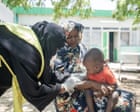
In Sudan, a complex humanitarian situation has created significant public health concerns, where children face increasing threats from infectious diseases due to reduced vaccination rates. Once achieving over 90% coverage, the nation’s vaccination rates have alarmingly dropped to 48%, making it the lowest globally. This decline is led by ongoing civil conflicts that have disrupted healthcare services, making routine immunizations a challenging task. Health organizations, including the World Health Organization, highlight the urgency of addressing this gap to prevent outbreaks of diseases like measles. While the figures paint a grave picture, efforts continue to restore immunization activities, aiming for comprehensive solutions that secure children’s health and well-being, even amidst adversity.
Moving to Portugal, the focus shifts to economic and health sector concerns amid increasing pressures on the National Health Service (SNS). Ex-minister of health, Fernando Leal da Costa, voices concerns about the SNS’s sustainability during the bustling summer months, a period marked by heightened demand for healthcare services. This situation raises discussions about the strategic planning required to strengthen health systems and ensure uninterrupted service delivery, emphasizing long-term resilience. The dedication of healthcare workers during this time stands as a testament to their unwavering commitment to public service, highlighting the value of robust policy support to navigate seasonal peaks effectively.
In Lisbon, the economic domain witnesses a dynamic movement as hundreds of public sector employees gather to express their demands for fair wage increases. The proposed salary uplift of 15% or a minimum of 150 euros signifies a step towards restoring purchasing power, as endorsed by the coordinator of the Common Front. This movement underscores the importance of balanced economic measures that ensure dignified livelihoods and support the socio-economic stability of the workforce. Such advocacy reflects a broader call for equitable growth and shared prosperity.
The intersection of healthcare and economic realms illustrates the interconnected nature of societal resilience. While challenges like those seen in Sudan and Portugal might seem distinct, they each underscore the essential fabric of international solidarity, governmental diligence, and community perseverance. These narratives remind us of the significance of support, collaboration, and innovation as we navigate ongoing global nuances. As nations strive to overcome these hurdles, the spirit of cooperation and purpose-driven action remains central to ensuring well-being and sustainable progress for all.
Source: {link}