

The world continues to navigate a complex web of events, ranging from political dynamics to cyber security threats, illustrating both challenges and the resilience of institutions and individuals in addressing these issues.
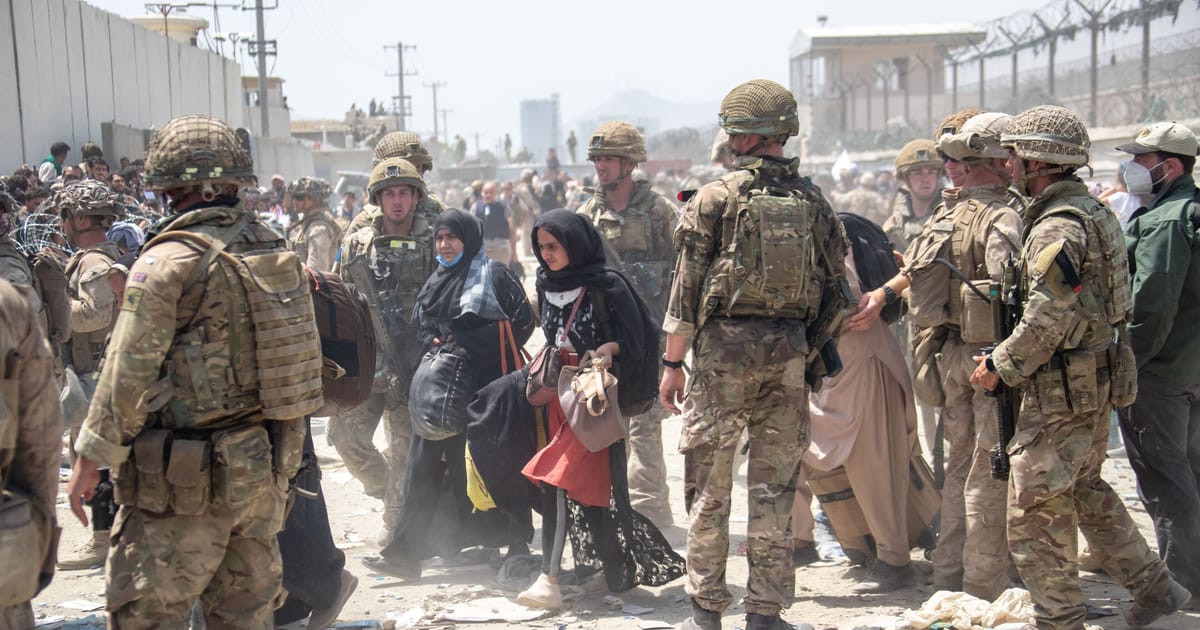
In the United Kingdom, the security and protection of sensitive data have spotlighted recent discussions. During Prime Minister’s Questions, the current administration faced scrutiny over a significant Afghan civilian data breach that occurred under the previous government. This incident underscores the ongoing importance of data security, especially within contexts of international cooperation and conflict resolution.
Simultaneously, the European Union’s legal and trade dynamics have seen significant activity. The EU General Court recently rejected an appeal by the heirs of French political figure Jean-Marie Le Pen, affirming the European Parliament’s investigation into misused expenses as due and thorough. This decision reinforces the EU’s commitment to transparency and accountability in its financial oversight.
Additionally, the EU is deliberating its response to tariff measures introduced by former U.S. President Donald Trump. The EU trade chief is scheduled to visit Washington, symbolizing an ongoing dialogue aimed at resolving trade disputes while balancing assertive retaliatory measures with diplomatic negotiation.
Turning to Australia, the safety and regulation of childcare services have come into focus following serious allegations against a former childcare worker, Joshua Dale Brown. The federal education minister emphasized the need for a national database to monitor childcare workers’ professional histories comprehensively. This development highlights the critical need for safeguarding community institutions and protecting vulnerable populations.
In the realm of counter-terrorism, a recent report on the UK’s Prevent strategy has called for an expanded approach, emphasizing the importance of early intervention and recognizing potential threats despite the absence of a fixed ideology. This reflects a nuanced understanding of modern threats and the adaptive measures necessary to safeguard public safety effectively.
Data security concerns have also surfaced within the UK’s business sector, as the Co-operative Group’s members experienced a data breach affecting 6.5 million individuals. While financial data remained secure, the incident prompted an apology from the Co-op’s CEO and highlighted the importance of robust cyber defenses and transparency in maintaining public trust.
On the international stage, a call for transparency echoes in the U.S., where House Speaker Mike Johnson urged the release of documents related to the Jeffrey Epstein case. This request illustrates ongoing societal demands for accountability and the public’s right to information regarding influential figures embroiled in criminal activities.
Amidst these developments, the global community reflects on the loss of notable figures, such as Loïk Le Floch-Prigent, a former executive who served prominent French public companies. His tenure, marked by both achievement and controversy, reminds us of the complexities inherent in leadership and corporate governance.
As these events unfold, they collectively highlight the intricate interplay of governance, security, and societal expectations. The responses from leaders, institutions, and communities reflect a shared commitment to addressing challenges while fostering an environment of accountability and resilience.
Source: {link}