

Recent days have witnessed a flurry of activity in the Middle East, characterized by both hopeful ceasefire announcements and disturbing outbreaks of violence. These events underscore the complexities of current geopolitical dynamics in regions like Syria, Gaza, and Ukraine, which are witnessing significant challenges and striving for peace amidst ongoing conflicts.
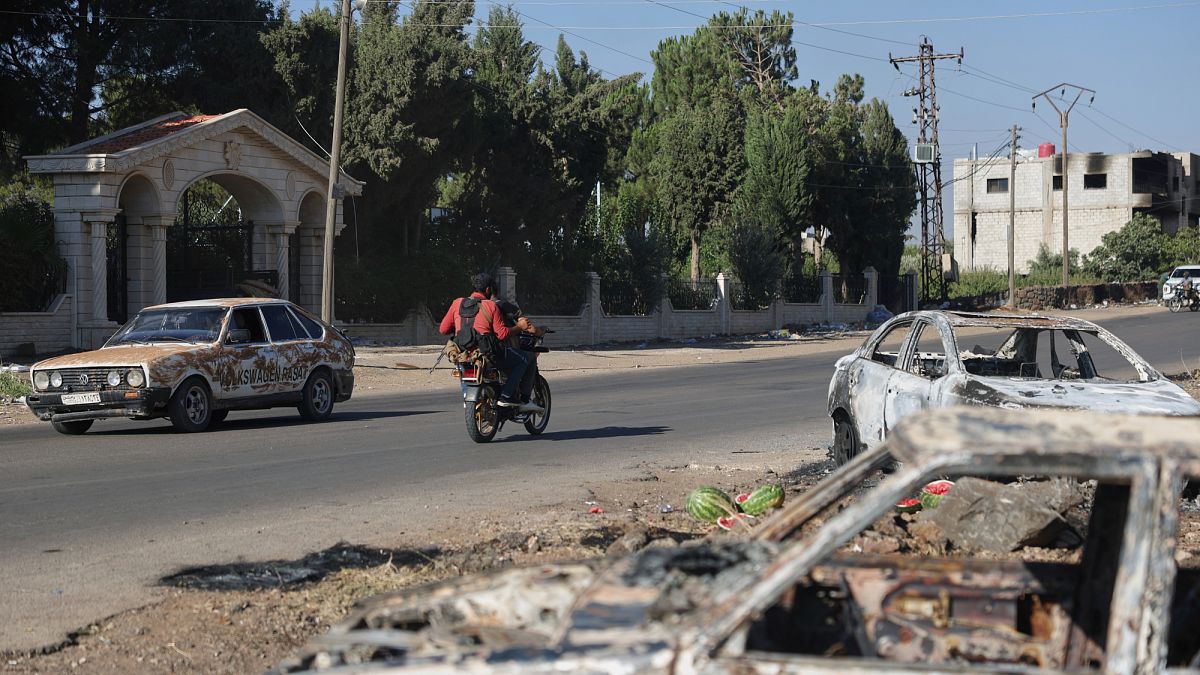
In Syria, the province of Sweida has been under intense focus, as clashes between Bedouin tribes and Druze fighters have persisted despite a recently declared ceasefire by the Syrian government. The conflict, which has tragically led to the loss of more than a thousand lives, highlights the fragile state of peace in the area. Efforts to reinforce the ceasefire indicate a cautious optimism, as local leaders and government officials urge all parties to adhere to the truce, which aims to bring a semblance of calm after a turbulent period.
Meanwhile, in Gaza, tensions have escalated following a tragic incident involving Israeli forces. Eyewitness reports indicate that as Palestinians were en route to food distribution sites, they were met with gunfire, resulting in the loss of at least 32 lives and injuries to over a hundred individuals. The incident occurred at aid centers operated by the Gaza Humanitarian Foundation and accentuated the ongoing humanitarian challenges faced by the densely populated region. Amid these grave circumstances, international entities continue to call for restraint and dialogue, with the hope of reverting to peaceful negotiations.
Across the border, Israel and Hamas continue to grapple with complex ceasefire negotiations. Efforts mediated by international actors, including the United States and Qatar, face stumbling blocks over pivotal issues, such as Israel’s military presence and the future governance of the Gaza Strip. These discussions are crucial as they seek a long-term settlement to the volatile situation, aiming to relieve the blockaded territory and ensure security for all parties involved.
In Ukraine, the atmosphere remains tense as Russia has recently launched a significant aerial offensive, deploying over 300 drones and numerous missiles targeting key cities, including Odessa. This escalation has sparked international concern, as Ukrainian President Volodymyr Zelenskyy announced the gravity of the situation, prompting fortifications and emergency measures across the affected regions. The tragic death of a civilian in Odessa serves as a stark reminder of the human toll amidst these heightened military operations.
The continuous developments across these regions highlight the intricate web of political, military, and humanitarian considerations shaping the current landscape. While the path to peace remains fraught with obstacles, the concerted efforts within regional and international communities strive to pave the way for dialogue and resolution, fostering an environment where reconciliation can eventually prevail.
As these stories unfold, the importance of maintaining a grounded perspective becomes ever more significant. Each situation, while complex and deeply rooted in historical contexts, beckons a mindful approach to conflict resolution, emphasizing dialogue and empathy over aggression. The aspiration for peace, though challenged by frequent setbacks, remains a critical endeavor pursued by many.
The narratives from Syria, Gaza, and Ukraine collectively underscore the urgent need for sustainable peacebuilding measures. The pursuit of dialogue over division offers a beacon of hope, suggesting that even in times of adversity, a persistent commitment to harmony can lead to meaningful and lasting solutions.
Source: {link}