

In recent developments spanning global health and individual well-being, two stories have emerged that underscore the importance of attentive healthcare rooted in both policy and compassion. These stories, although disparate, highlight the interconnected nature of health challenges across the globe, whether in the context of a nation’s widespread crisis or in the personal health of a well-known individual.
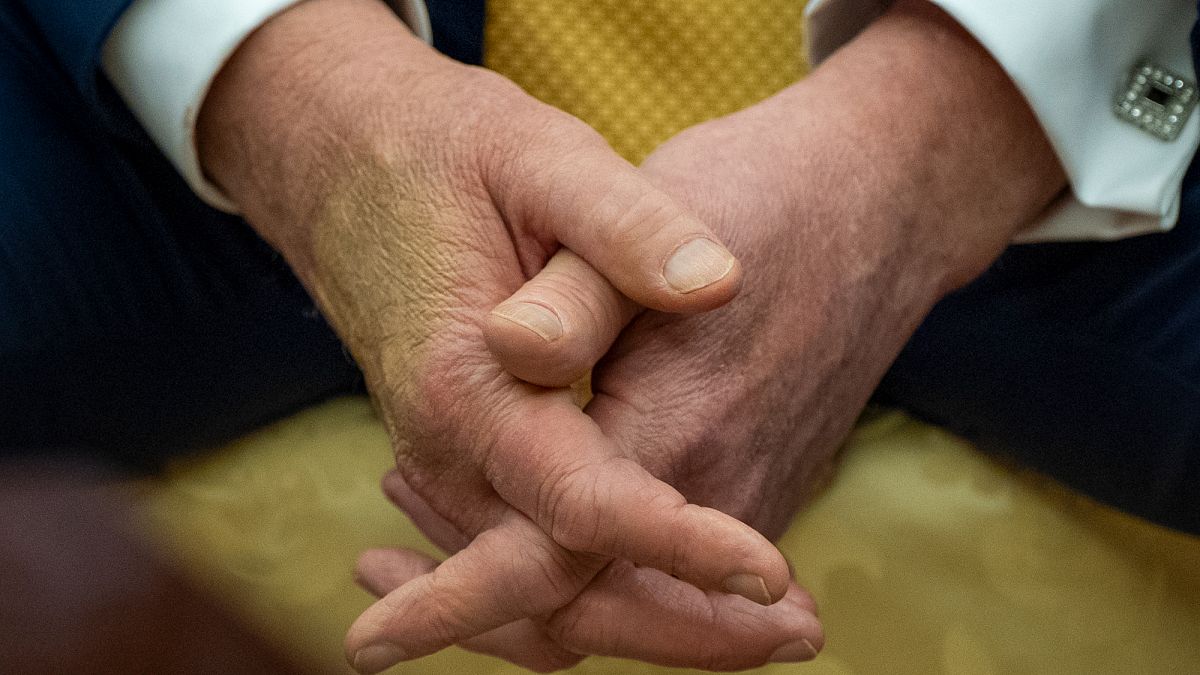
Former U.S. President Donald Trump has been diagnosed with chronic venous insufficiency (CVI), a condition that affects the circulatory system. This condition is commonly observed in older adults and arises when the valves in the veins lose their ability to function optimally, impeding the efficient movement of blood against gravity. The White House Press Secretary, Karoline Leavitt, has emphasized that this is a manageable condition and the former President is receiving appropriate medical attention. CVI, while not uncommon, serves as a reminder of the importance of regular health check-ups and proactive management of age-related health issues.
The diagnosis has opened a dialogue about the health conditions prevalent among aging populations and the importance of early detection and intervention. Addressing such conditions requires a concerted effort from healthcare providers to ensure individuals receive comprehensive care plans that focus on long-term well-being. The compassionate response to health challenges, big or small, is a cornerstone of quality healthcare and reflects a global imperative to prioritize accessible, patient-centered medical services for all.
Shifting focus to a more urgent public health issue, a humanitarian crisis in Sudan is casting light on the critical need for robust global health initiatives. Sudan, embroiled in conflict and described by aid organizations as facing the largest humanitarian crisis globally, sees its children confront escalating threats from infectious diseases. The World Health Organization warns that the country’s vaccination rates have plummeted, with only 48% of young children now receiving their routine immunizations, halved from previously over 90% in 2022. This dramatic decline positions Sudan as having the lowest vaccination rate worldwide.
The impact of this situation is profound, as the lack of immunization leaves children exceedingly vulnerable to diseases that are entirely preventable. This crisis is compounded by rising violence that hampers healthcare delivery and compounds the strain on already limited resources. Global health organizations and humanitarian efforts play a vital role in addressing these challenges. An urgent call for international collaboration and increased support is essential to reversing these dangerous trends, implementing sustainable vaccination programs, and ensuring that no child is left unprotected.
Both scenarios—Mr. Trump’s diagnosis and Sudan’s health crisis—highlight an overarching theme: the fundamental necessity for attentive healthcare and preventative measures across all levels of society. As the world navigates complex health landscapes, from personal health management to global health crises, the focus remains firmly on compassionate, proactive care. It stands as a collective call to action for healthcare systems and policymakers to work harmoniously towards mitigating health disparities and supporting health equity worldwide.
In an era where health issues can attest to personal stories or encapsulate vast humanitarian needs, addressing them with sensitivity and dedication is paramount. As the global community continues to evolve and adapt in providing healthcare, each step taken, whether small or monumental, contributes to a healthier future for all.
Source: {link}