

In recent weeks, the world has been presented with a series of health-related updates that highlight both individual health concerns and broader public health challenges. These developments, though diverse, underscore the intricate tapestry of global health, where individual and communal stories interweave to create the broader narrative of humanity’s health journey.
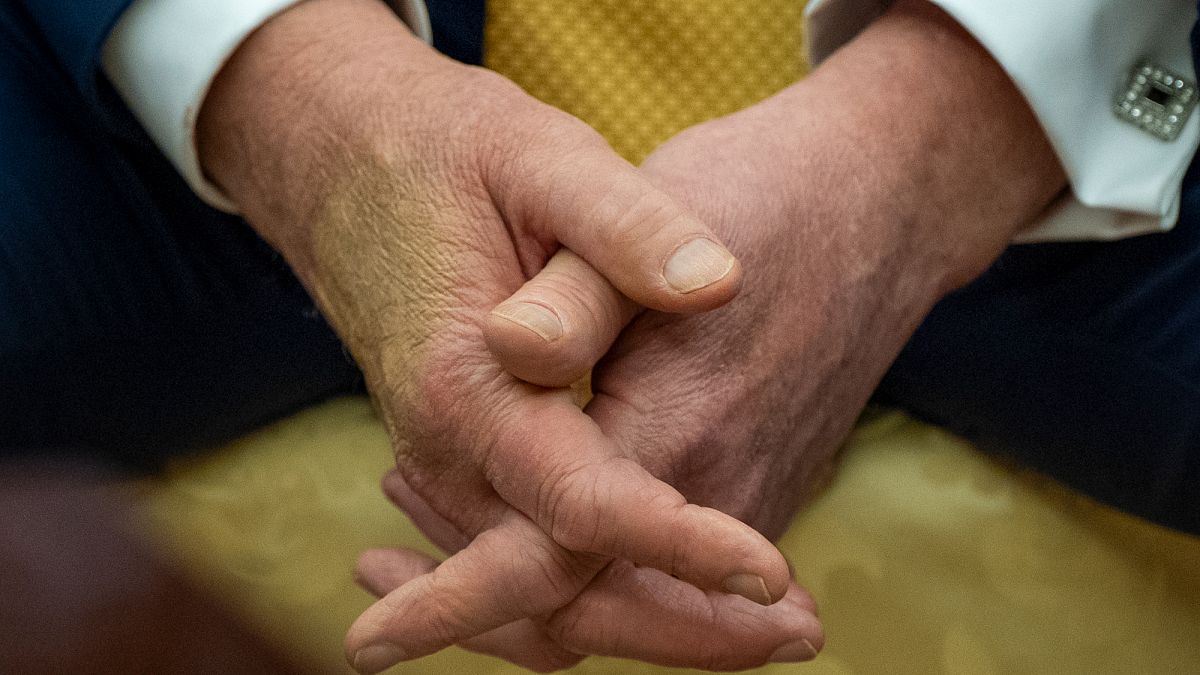
In the United States, former President Donald Trump has been diagnosed with chronic venous insufficiency, a condition that frequently affects older adults. This ailment occurs when the small valves within the veins, which typically aid in the upward movement of blood against gravity, gradually cease to function efficiently. Such a diagnosis brings to light the common health challenges faced in later life and highlights the importance of regular health check-ups for aging populations. While the condition is manageable, it serves as a reminder to prioritize self-care and seek medical attention when symptoms, such as swelling in the lower legs, arise.
Meanwhile, halfway across the globe, Zimbabwe is grappling with a resurgence of malaria, with disease-related fatalities having tripled. The dramatic rise in cases can be traced back to recent reductions in US aid, which have impacted critical research and national response programs. This withdrawal of funds has resulted in shortages of essential mosquito nets, among other resources, thereby placing thousands of lives at risk. The challenges faced by Zimbabwe epitomize the delicate balance required in international aid and health interventions, where even slight changes can have profound repercussions on local communities.
Adding to the global health tapestry is the situation in Sudan, where children are becoming increasingly susceptible to infectious diseases due to a significant decrease in vaccination rates. Amidst ongoing conflict, just under half of the children eligible for routine immunizations have received them, a steep decline from previous coverage levels. The World Health Organization has reported that Sudan now holds the unenviable record of having the lowest vaccination rates worldwide. This alarming situation underscores the importance of sustained immunization efforts even in unstable regions.
These stories are bound by common themes of vulnerability and resilience, personified by individuals and communities navigating their unique health landscapes. Chronic venous insufficiency, while a personal health issue, points to the universal need for attentive care and preventive health measures. In Zimbabwe, the resurgence of malaria signals both the progress made and the setbacks faced in the fight against communicable diseases, emphasizing the critical role of continued support and funding. Meanwhile, Sudan’s vaccination challenges highlight the necessity of maintaining global health initiatives even amidst adversity.
In times such as these, it is crucial to adopt a mindset that is both proactive and compassionate. By acknowledging and addressing health challenges calmly and constructively, the global community can work together to improve health outcomes for all. As individuals, institutions, and nations represent a complex and interconnected system, cooperative efforts—and understanding—are key to overcoming the hurdles posed by health crises.
While each situation presents its own set of challenges, there is also an opportunity for learning and growth. The stories from the United States, Zimbabwe, and Sudan invite a moment of reflection on the importance of health systems, the impact of international cooperation, and the power of community resilience. As we navigate these challenges, let us remain united in spirit, committed to fostering healthier futures for all.
Source: {link}