

In a world that continues to advance technologically while facing significant challenges, recent developments offer a range of insights into healthcare, environmental concerns, and innovative technology. This article brings forward key updates and thoughtful reflections on some of these recent occurrences.
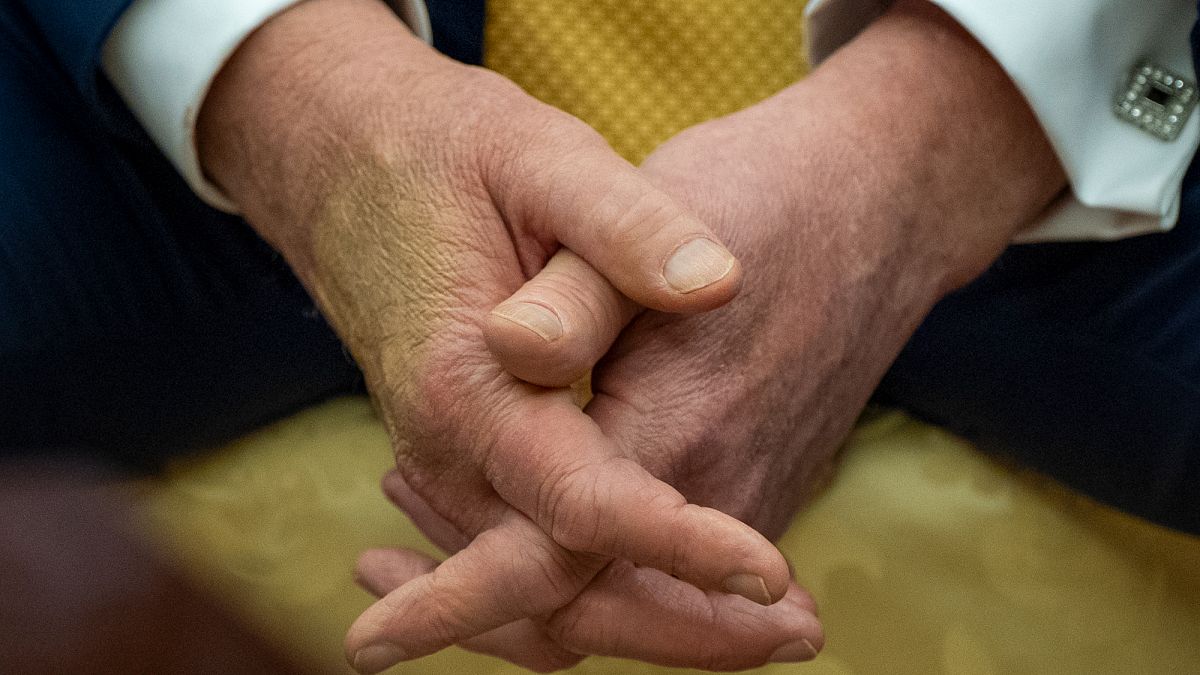
Former President Donald Trump has been diagnosed with chronic venous insufficiency, a condition common among older adults that affects blood flow in the veins. The announcement was made by White House Press Secretary Karoline Leavitt. Chronic venous insufficiency occurs when the valves located inside the veins lose their effectiveness in facilitating blood movement against gravity. Although this condition can cause noticeable swelling in the lower legs, it is generally manageable with appropriate medical treatment and lifestyle adjustments. Trump’s diagnosis serves as a reminder of the importance of regular health check-ups, especially among senior adults, ensuring that any health issues are identified and managed promptly.
In a separate development, Elon Musk’s artificial intelligence project, Grok, has introduced two new hyper-realistic AI companions, offering users unique interaction experiences. One notable addition is Ani, designed as a Japanese girlfriend who engages actively with users through explicit commands. While this innovation reflects significant technological progress in AI, it has also sparked conversations on ethical implications and user safety. The introduction of such companions showcases the evolving landscape of artificial intelligence, where personalization and user interaction are becoming increasingly sophisticated. As AI technology progresses, maintaining a balance between innovation and ethical responsibility will be crucial.
Meanwhile, in Sudan, children face a growing risk of infectious diseases due to drastically reduced vaccination rates. The World Health Organization (WHO) has reported that vaccination coverage in Sudan has fallen to the lowest in the world, with only 48% of young children receiving routine immunizations compared to over 90% a few years ago. This decline is largely attributed to the ongoing conflict in the region, which has disrupted healthcare services and created a significant humanitarian crisis. The situation in Sudan highlights the crucial need for international support and intervention to address the health and welfare of children affected by conflict and ensure access to essential healthcare services, including vaccinations, to prevent the spread of deadly diseases.
Turning attention to environmental health, recent reports have surfaced about the use of wastewater treatment plant effluent, containing PFAS or “forever chemicals,” to restore wetlands in the United States. Although these effluents are rich in nutrients that can benefit ecosystems, the introduction of PFAS poses significant risks to wildlife, food, and drinking water sources. Environmental advocates are raising concerns about the potential long-term impacts of these practices. While wastewater treatment aims to recycle water and support ecosystem restoration, it is imperative to ensure that unintended consequences, such as chemical contamination, are carefully monitored and mitigated.
These stories collectively underscore the interconnected nature of health, technology, and environmental stewardship in today’s world. Addressing these challenges requires cooperative efforts from governments, organizations, and individuals to prioritize health, ensure responsible technological innovation, and protect our planet’s ecosystems. As we navigate these complex issues, fostering informed discussions and proactive measures will be integral to securing healthier and more sustainable futures for all.
Source: {link}