

In recent years, the landscape of global health has presented both remarkable advancements and distressing setbacks, with Africa being a region at the heart of many ongoing health challenges. Two recent reports highlight pressing issues affecting the continent: the troubling decline in vaccination rates in Sudan, and an urgent need for vaccines in Mozambique to combat a severe animal disease outbreak, reflecting broader trends in global health.
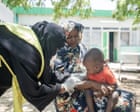
In Sudan, a country embroiled in conflict and considered to be facing one of the world’s largest humanitarian crises, the health situation is dire, especially for children. Once boasting a vaccination rate of over 90% for young children, Sudan has seen these figures drop dramatically to 48%, now the lowest in the world according to the World Health Organization (WHO). This decline poses a severe threat to children’s health, leaving them vulnerable to infectious diseases that could otherwise be prevented with routine immunizations.
The ongoing conflict in Sudan has not only devastated the country’s infrastructure but has also disrupted basic healthcare services. Clinics and vaccine distribution networks have been affected, causing significant barriers to accessing essential health interventions. The impact of these service interruptions is magnified by the volatile security environment and the consequent displacement and instability, which make organizing regular vaccination campaigns extremely challenging.
Meanwhile, in Mozambique, the outbreak of foot-and-mouth disease—a highly contagious viral disease affecting livestock—is creating economic turmoil. As one of the disease’s hardest-hit countries in 2023, Mozambique registered 15 outbreaks, severely impacting its agriculture-dependent economy. To contain the spread and mitigate further damage, at least 50,000 doses of vaccines are urgently required. This situation underscores the significant role that timely veterinary interventions play not only in public health but also in economic stability.
The global immunization landscape has seen a general stall, and these difficulties in Sudan and Mozambique are symptomatic of larger systemic challenges. Logistical issues, resource allocation, political instability, and regional crises intersect, complicating efforts to ensure comprehensive and timely vaccination. The ongoing struggles simultaneously highlight the interconnectedness of humans and animals in disease ecology and how neglecting one dimension can exacerbate impacts on the other.
There is hope on the horizon, however, as international organizations and governments continue to collaborate for solutions. In Sudan, the focus remains on re-establishing vaccination drives even amid adversity, with support from global health bodies and NGOs stepping up efforts to re-integrate healthcare services into affected areas. As for Mozambique, tackling the foot-and-mouth outbreak involves coordinated efforts between the government and international agencies to secure the required vaccine doses, aiming for rapid containment and prevention of future outbreaks.
The stories of Sudan and Mozambique serve as reminders of the crucial need for resilient healthcare systems capable of withstanding crises and ensuring that both human and animal health needs are met. Global support remains vital, emphasizing that through sustained collaboration and commitment, progress, though challenging, is attainable.
In conclusion, the hurdles faced by Sudan and Mozambique in maintaining essential health services and combatting disease outbreaks reflect broader patterns of challenge and resilience within global health systems. By addressing and understanding these individual struggles, the global community can work towards more robust and supportive public health strategies, paving the way for healthier futures for all.
Source: {link}