

In a world that is increasingly interconnected, the challenges and triumphs of different regions highlight the diverse issues facing humanity today. From health crises affecting children in conflict-stricken areas to the transformative, albeit controversial, practices in biohacking, these narratives offer a window into the varied experiences shared across the globe.
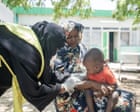
In Sudan, the ongoing humanitarian crisis has severely affected the health sector, particularly the vaccination rates for children. As the nation grapples with civil unrest, the World Health Organization reports a worrying decline in immunization coverage. Where once over 90% of children received routine vaccinations, this figure has now dropped to 48%, placing Sudan at the world’s lowest rate of childhood immunization. This fall leaves young children perilously exposed to infectious diseases such as measles, amid an already precarious living situation due to heightened violence and displacement.
Meanwhile, in South Australia, human rights organizations are raising alarms over the prolonged solitary confinement of Robert Barnes, an inmate at the Yatala Labour Prison. His extended isolation, approaching 800 days, prompts concerns about the mental health and general well-being of individuals subjected to such conditions. Reports indicate that visits from an Aboriginal elder advocating for Barnes have been restricted, drawing criticism and attention to the treatment of inmates and broader issues within the prison system.
Beyond the immediate concerns of health and human rights, a modern fascination with longevity has given rise to biohacking—a movement gaining momentum particularly in the United States. This practice involves individuals taking health optimization into their own hands, employing various methods aimed at slowing aging and enhancing physical and mental performance. While biohacking includes both scientifically supported techniques and more dubious claims, the underlying theme centers around a cultural shift towards personal responsibility in health management and the quest for extending vitality.
On the public health front, former U.S. President Donald Trump’s recent health update has drawn public interest as well. Trump, at the age of 79, is experiencing venous insufficiency—a common circulatory issue that results in swollen legs due to blood accumulation. This condition underscores the broader conversation on aging, health management, and the typical challenges faced by the elderly population.
These snapshots from various corners of the globe showcase the broad spectrum of issues that societies are navigating. Whether it is addressing the dire needs of vulnerable populations in conflict zones, advocating for humane treatment and justice, experimenting with longevity technologies, or managing age-related conditions, these narratives reflect the complex and multifaceted tapestry of human existence. They remind us of the shared responsibilities and communal efforts required to improve lives, demonstrating our collective capacity for resilience and change.
Source: {link}